

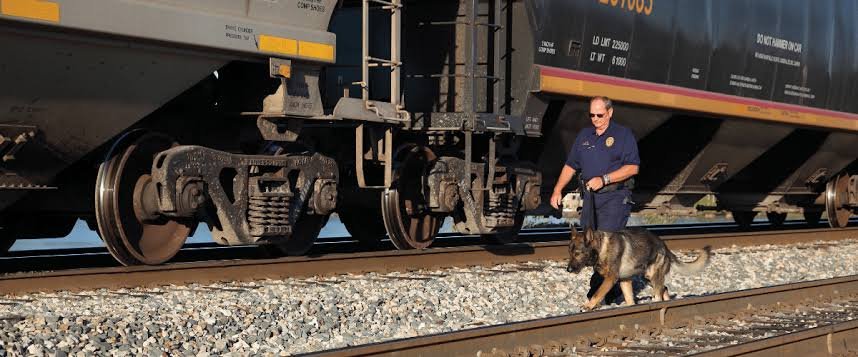
California has exposed vulnerabilities in the region’s logistics network, prompting concern among law enforcement agencies, trucking companies, and retailers who rely on the steady movement of goods through one of the nation’s busiest freight corridors.
Investigators say the thefts are not random crimes of opportunity but are increasingly driven by organized groups that operate with speed, coordination, and technical knowledge. These rings often track shipments, identify high-value loads, and strike within minutes of trucks stopping at distribution centers, warehouses, or rest areas.
Southern California’s vast transportation infrastructure, including ports, rail yards, and freeway systems, has made it a prime target. The scale of commerce moving through the region creates opportunity, but also strains enforcement resources already stretched thin. Trucking industry leaders report that stolen cargo now ranges from electronics and consumer goods to food products and household supplies.
Law enforcement agencies have stepped up task force operations, combining local police, sheriff’s departments, and federal partners. Still, officials acknowledge that the sophistication of theft rings has evolved faster than traditional policing models. Some criminals use fake credentials, cloned shipping documents, or digital tracking tools to intercept cargo before drivers realize anything is wrong.
Beyond financial losses, the thefts disrupt supply chains and contribute to higher consumer costs. Businesses pass losses down through insurance premiums and pricing adjustments, ultimately affecting shoppers.
Authorities say long-term solutions will require closer cooperation between the public and private sectors, improved tracking technology, and harsher penalties for repeat offenders. As Southern California remains a critical artery for national commerce, the pressure to curb cargo theft is only intensifying.
