

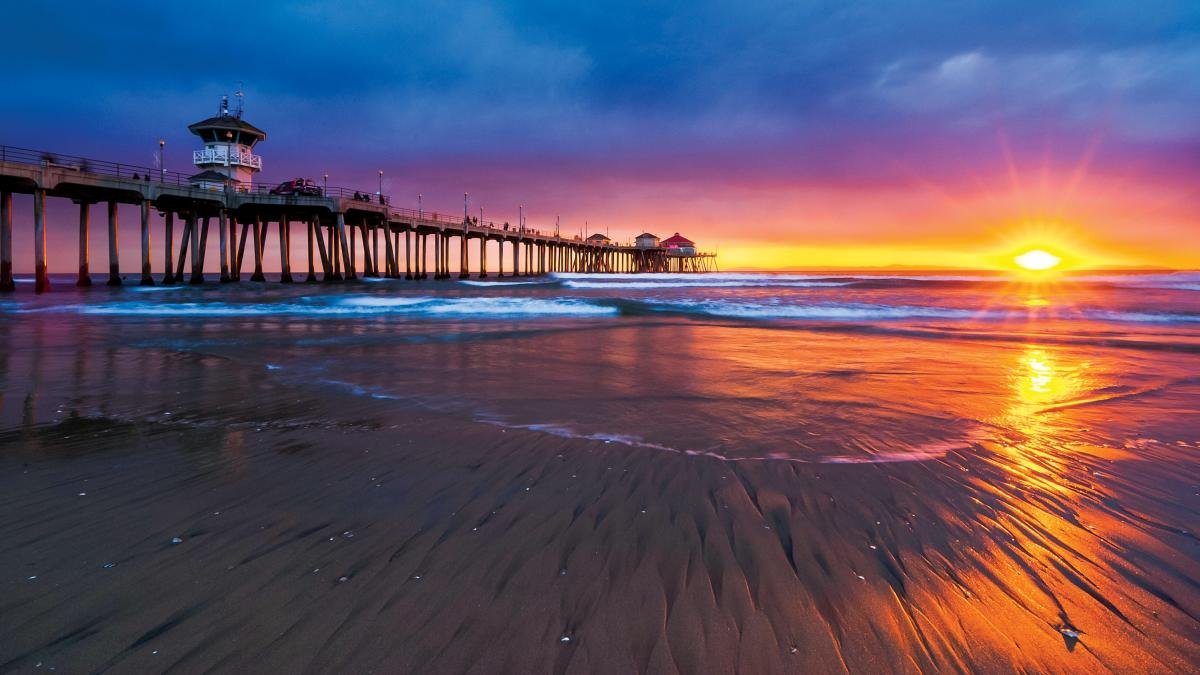
In a city where surf culture meets civic debate, Huntington Beach is once again at the center of a conversation about growth, identity, and the future of its coastline.
City officials have voted to move forward with a full environmental impact report for a large proposed mixed use development along Pacific Coast Highway, setting the stage for what could become one of the most transformative coastal projects in recent memory. The 92 acre site, a former industrial property near the shoreline, has long stood as a reminder of the city’s working class roots. Now, it may become something entirely new.
The proposal includes a blend of residential units, hotel accommodations, and commercial space designed to activate the corridor while preserving public access and coastal views. Developers say the project aims to create a vibrant, walkable destination that complements Huntington Beach’s lifestyle rather than competes with it. Think boutique hospitality, thoughtfully designed housing, curated retail, and open spaces that invite both locals and visitors to linger.
But in Huntington Beach, development is never just about buildings. It is about balance.
Residents have voiced a range of perspectives. Some welcome the potential economic boost, noting that new hotel rooms and commercial space could generate tax revenue, create jobs, and enhance tourism in a city already known worldwide as Surf City USA. Others are cautious, raising questions about traffic congestion, environmental impact, infrastructure strain, and how increased density might reshape the character of the coastline.
The environmental impact report now underway will take a comprehensive look at those concerns. It will analyze traffic patterns, coastal access, air quality, noise, water resources, and ecological effects. The process allows for public comment, ensuring community voices remain part of the discussion before any final approvals are granted.
For Huntington Beach, this moment feels pivotal. The Pacific Coast Highway corridor is more than a roadway. It is the city’s front porch, a stretch where cyclists glide past palm trees and surfers check the swell at dawn. Any major change along that edge carries symbolic weight.
City leaders say the goal is thoughtful evolution. They emphasize that redevelopment of the site offers an opportunity to replace aging industrial land with a project that better reflects the city’s coastal identity. Supporters envision architecture that respects ocean views, pedestrian friendly design, and amenities that encourage connection rather than congestion.
Critics, meanwhile, are watching closely to ensure that promises translate into enforceable standards. They want clarity on building heights, affordability components, and guarantees that public beach access remains uninterrupted.
As the environmental review unfolds, community meetings and hearings are expected to draw significant attention. In a place where lifestyle and landscape are inseparable, every design detail matters.
For now, the stretch of Pacific Coast Highway in question remains quiet, windswept, and largely unchanged. But the conversation swirling around it signals something bigger. Huntington Beach is deciding not just what to build, but who it wants to be in the decades ahead.
In a city defined by its waves, change comes in sets. This could be the next one.
