

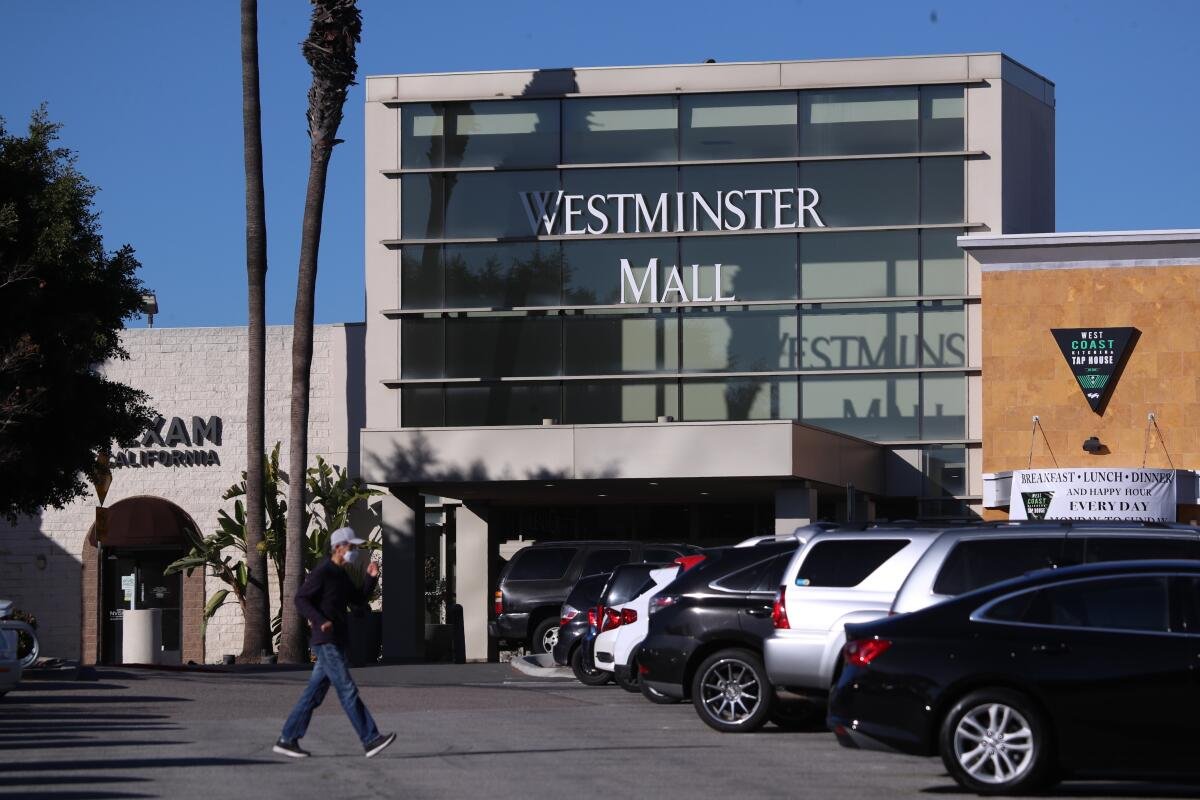
When Westminster Mall closed its remaining stores last fall, it quietly ended a chapter in Orange County retail history that stretched back more than five decades. For residents of Westminster, the shuttered mall is more than a vacant property; it is a symbol of generational change in how communities gather, shop, and socialize.
Opened in 1974, Westminster Mall once stood as a cornerstone of suburban life, drawing families, teenagers, and small businesses into a shared indoor space. At its peak, the mall bustled with department stores, food courts, and weekend crowds that reflected the economic optimism of postwar Southern California.
Over time, however, shifting consumer habits began to erode that model. The rise of e-commerce, open-air lifestyle centers, and destination shopping districts steadily drained foot traffic. Anchor tenants closed or downsized, leaving behind empty corridors that grew harder to revive despite redevelopment attempts.
For longtime residents, the mall’s closure feels deeply personal. Many recall first jobs, first dates, and family traditions tied to its walkways. Former employees describe the final days as quiet and emotional, marked by nostalgia rather than surprise.
City officials now face the challenge of determining what comes next for the property. Redevelopment discussions have included housing, mixed-use concepts, and public spaces, reflecting a broader reimagining of suburban land use. Any future project will need to reconcile economic viability with community sentiment, a balance that has proven difficult across Southern California.
The closure of Westminster Mall is not an isolated event but part of a regional and national trend. Still, its disappearance underscores how profoundly retail landscapes have changed, leaving communities to grapple with the loss of shared spaces once central to everyday life.
